

MAWIZA
Indigenous Groove Metal - Chile
-
Mawiza - ÜL - CD DIGIPAK
Regular price €14,99 EURRegular priceUnit price per€0,00 EURSale price €14,99 EUR


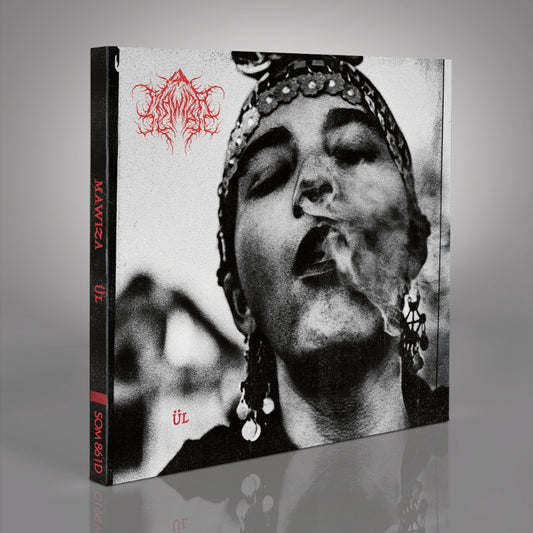
MAWIZA is a metal band originally from Wallmapu, the ancestral territory of the Mapuche Nation in South America. The band sings in Mapuzungun, their ancestral language. They are guided by the preservation of their roots, our relationship to nature and the conservation of biodiversity. They’ve shared the stage with Gojira, Mastodon, Mercyful Fate and Sepultura, performed at major festivals such as Wacken Open Air and Knotfest Chile, and won a prestigious Pulsar Award (Chilean Grammy).
“Mawiza’s thumping groove metal celebrates the language and traditions of South America’s Mapuche Nation”, mawiza-the-story-of-the-slipknot-endorsed-band-fighting-colonialism">Metal Hammer wrote in naming Mawiza the most important new metal band of 2025 on the strength of their latest studio album, ÜL.
Mawiza was founded in 2014 under their original name, Nunca Seremos Dichosos. The band released two albums under that name, Tierra (2017) and Kollong (2019). They toured not only Chile, but also Colombia and Bolivia. Kollong included the single "Mawiza ñi piwke", the first metal song sung entirely in Mapuzungun. In 2020, the album won a Pulsar Award in the Best Metal Artist category.
After several line-up changes, in 2021, the band changed its name to Mawiza and left behind its mixed use of Spanish and Mapuzungun. They committed to Mapuzungun as their sole language of expression.
In 2023, Mawiza released the single “Txükur” with the Mapuche rapper MC Millaray and their version of Metallica's “Battery”, which they adapted to Mapuzungun. That August, the band recorded a live session with Gojira’s Joe Duplantier at Silver Chord Studios in New York. They also visited West West Side Studio, owned by renowned producer Alan Douches, and performed an acoustic concert at Selva Gallery in Brooklyn.
At the end of 2024, Mawiza re-released Kollong. This version includes new recordings of vocals done entirely in Mapuzungun and drums re-recorded by Txalkan.
After signing with Season of Mist in 2024, Mawiza released their third studio album in 2025. ÜL summons ancestral spirit with modern groove metal in honor of the fierce resistance of The Mapuche Nation. Joe Duplantier joined the band and members of their community for its climatic harp-strung finale defense “Ti Inan Paw-pawkan". It was recognized internationally by mawiza-2-1235251690/">RollingStone, Revolver, Bandcamp and other major publications, and put the band on the cover of Chile’s Rockaxis.
Following a successful 2025 European tour with Ater and more major festival appearances, in October 2026, Mawiza joined Sepultura for the legendary heavy metal band’s final show in Santiago, Chile. During this performance, the two bands joined forces onstage for a performance of “Kaiowas”.
“Standing on stage next to Sepultura means a lot to any musician, and even more so to Mawiza” drummer Txalkan says. “They are undoubtedly a cornerstone band in the development of our music and that of many others. They pioneered drawing on the ancestral wisdom of indigenous peoples and standard-bearers of the culture on this side of the Americas. Using metal as a medium to bring social and ecological issues to the forefront is a legacy in and of itself that will remain relevant for generations to come”.
“We want to carry on their legacy by making music in the language of this land” Txalkan continues. “We’re talking about the same things as Sepultura, but in different languages. Sharing newen (energy) while performing ‘Kaiowas’ together was an unforgettable and very relevant moment, yet it also felt close and intimate, like a torch was being passed to a new generation”.
In the spirit of Seuplutra and “Kaiowas”, Mawiza are honoring their ancestral roots with a new acoustic EP, IÑ MONGELETEW.
“The music of our ancestors was just another sound of nature. Sepultura knows this. They learned from those who know their land and their ancestors. That’s why they’ve created songs like ‘Kaiowas’,” Mawiza vocalist and guitarist Awka says. “Mawiza follows that same path. We can create our music without distorted guitars and big percussion, but not without our language and our identity. That is why IÑ MONGELETEW exists: these are songs given to the primordial. The world needs to pause, turn its head, and once again contemplate its natural surroundings with respect”.
By unplugging from the noise of modern metal, IÑ MONGELETEW (Those Who Give Us Life) speaks loudly to Mawiza’s roots in Mapuche culture. The three songs from ÜL that are reimagined for the EP aren’t stripped down but strengthened by their essential elements. Acoustic instruments and tribal percussion amplify the band’s call for decolonization and reconnecting with nature. Performed beside the fire, this slow and smoky version of “Mamüll Reke” lifts the memories of fallen warriors to the sky.
IÑ MONGELETEW channels a different energy than Mawiza’s indigenous take on groove metal, but their acoustic EP is neither soft nor quiet. Lead single “Wu¨zapiwken” speaks to the heart of indigenous life, which is divided between the city and its native land, with scraping rhythms and piercing chants. The band resists postcard folklore by embracing a dark atmosphere and harsh tones that aren’t meant to please but challenge the Western ear. Mira Ceti (Heilung), Anne Olsen (Danefae) and Mapuche activist Fabi Liqen join forces with a dissonant harmony of pifilka and kultrún on the new indigenous anthem “Mür”.
Mawiza will support IÑ MONGELETEW with an acoustic tour of Chile during November 2026.